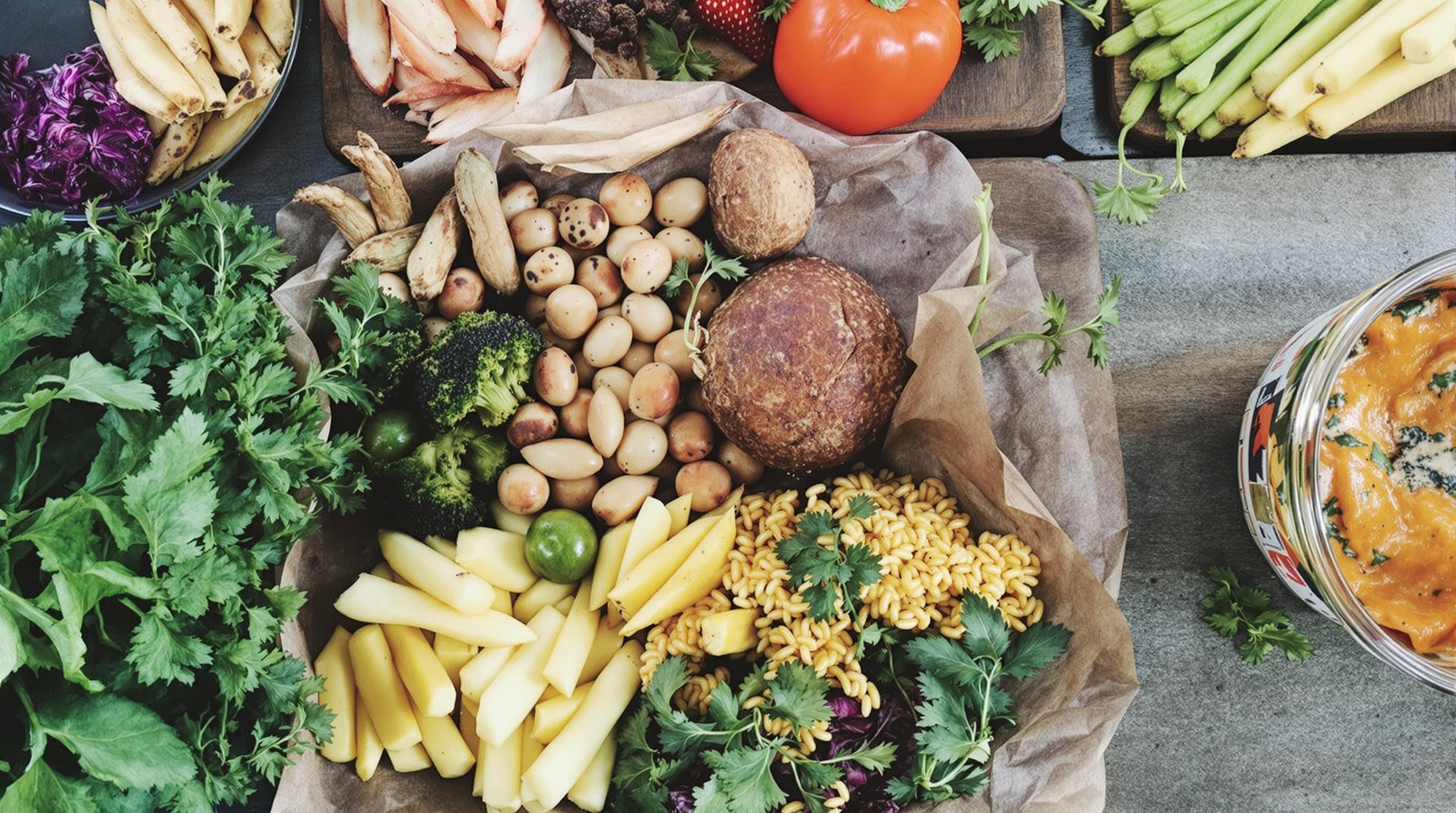
Featured Articles
- 12 Insider Travel Hacks to Master Seamless Airport Security and Maximize Layover Time Efficiency
- "Journeying Off the Beaten Path: How Micro-Experiences are Redefining Modern Travel Adventures"
- Navigating Nomad Nutrition: Insider Strategies for Staying Fit and Well in the World's Most Unexpected Locales
- "Traveling Off the Beaten Path: The Rise of Quirky Accommodations and Their Untold Stories"
- "Traveling Off the Beaten Path: Uncovering the Secrets of Spontaneous Journeys and Unplanned Adventures"
Navigating Nomad Nutrition: Insider Strategies for Staying Fit and Well in the World's Most Unexpected Locales
Navigating Nomad Nutrition: Insider Strategies for Staying Fit and Well in the World's Most Unexpected Locales
Maintaining fitness and wellness as a nomad in the most unexpected locales demands adaptability, cultural sensitivity, and smart nutritional choices. This article explores diverse strategies combining practical advice, personal stories, and scientific insights to help nomads stay vibrant and healthy worldwide.
Feasting Through Cultures: Embrace the Local Palette
Travel isn't just about seeing new places—it's about tasting them too. For the adventurous eaters, local cuisines provide a nutritional goldmine. A study by the World Health Organization highlights how traditional diets often include a variety of plant-based foods and fermented products, invaluable for gut health.
Take for instance Anna, a 29-year-old digital nomad who traveled through Southeast Asia. She discovered that incorporating sticky rice and fermented fish into her meals not only kept her energized but also introduced beneficial probiotics to her system, reducing her reliance on supplements.
The Art of Balancing Nutrition on the Road
Nutrition balance is often a puzzle for travelers who might feast one day and fast the next due to irregular schedules. This inconsistency can lead to energy dips and impaired immunity. Expert nutritionists suggest carrying nutrient-dense snacks such as nuts, dried fruits, and seeds to maintain stable blood sugar levels throughout the day.
Snack Smart: Portable Nutrition for Active Days
Imagine trekking through the craggy hills of Patagonia or wandering the vibrant street markets of Marrakech without easy access to healthful options. Packed, dried fruits or homemade granola bars made with oats, honey, and mixed nuts can provide crucial calories and nutrients. They’re also storable in minimal space and have long shelf lives.
Hydration: The Often Overlooked Element
Water quality and availability vary dramatically across regions, impacting hydration. A 2019 study in the Journal of Travel Medicine reports that dehydration is commonly underdiagnosed among travelers and can lead to fatigue and compromised cognitive function. Always carrying a reusable water bottle with a built-in filter, like those from LifeStraw or Grayl, can be a lifesaver for nomads exploring remote areas.
Walking the Tightrope of Fitness Regimens Abroad
I’m Jake, 35, a long-term nomad with a penchant for combining workouts with sightseeing. Relying solely on hotel gyms can be boring and expensive, so I incorporate bodyweight exercises, yoga, and even local dance classes. This not only keeps me fit but also gives me cultural insights—try salsa in Colombia or capoeira in Brazil. It’s about creating joy in movement rather than forcing it.
Case Study: The Power of Movement Diversity
A 2022 research article from the British Journal of Sports Medicine found that combining different forms of exercise improved compliance and overall well-being among travelers. This approach breaks monotony and adapts to the environment’s unique offerings—like hiking in mountainous regions or swimming at coastal destinations.
Tracking Progress Without the Scale
Traditional metrics like weight might not be practical or reliable on the move. Instead, focusing on functional measures such as energy levels, sleep quality, and mental clarity provides a better health barometer. Tools like fitness watches or apps that monitor heart rate variability can offer insights without causing stress over pinching waistlines.
Maintaining Mental Wellness Through Nutrition
Nutrition directly influences mental health, especially for nomads often battling loneliness or cultural shock. Foods rich in omega-3 fatty acids, vitamin D, and antioxidants support brain function and mood stability. At 50, I’ve learned that eating local oily fish, like sardines or mackerel, can considerably lift moods during long, solitary stretches.
Statistics Speak: Nutrition and Mental Health Link
According to a report by the Mental Health Foundation, diets low in essential nutrients increase susceptibility to depression by 20%. Nomads should prioritize nutrient-rich meals not only for physical but also emotional resilience.
Beware of Hidden Calories and Excess Salt
Flavors around the globe often come with high sodium levels and hidden sugars, which can sabotage fitness goals. Street foods, while tempting and authentic, may be laden with these elements. Awareness and moderation are key—try requesting less salt, or opting for grilled rather than fried options.
Cooking While Traveling: The Ultimate Control
When possible, cooking your own meals can be the healthiest choice. Even minimal kitchen facilities suffice to whip up nutrient-packed dishes. For instance, African cassava leaves sautéed with tomatoes and chilies deliver antioxidants and vitamins. A pinch of salt, a dash of spice, and you’re good to go.
Practical Tips for Cooking on the Road
- Invest in a lightweight portable stove or electric kettle.
- Shop at local markets to discover fresh ingredients.
- Keep shelf-stable basics like olive oil, herbs, and canned beans.
Social Eating as a Wellness Strategy
sharing meals with locals or other travelers creates community bonds that strengthen emotional health. Wellness isn’t just physical: it’s deeply tied to social connection and belonging. Those spontaneous invitations to dinner or potluck gatherings often introduce nomads to new foods and perspectives.
Personal Anecdote: The Nourishment of Connection
At 42, traveling solo in Italy, I attended a village feast where homegrown vegetables and handmade pasta were the stars. Joining in the preparation and sharing stories gave me a sense of rootedness, enhancing both mental and physical wellness.
Why Culture Matters
Eating is a ritual as much as a necessity. Respecting and adopting local eating customs encourages mindful consumption, reduces food waste, and supports sustainable practices—key factors in long-term healthy living for nomads.
Supplementation: When and How to Use It Wisely
Supplements can fill nutritional gaps, but reliance on them without dietary basis is unwise. Consulting with a healthcare provider or nutritionist, even virtually, can guide personalized choices. Common supplements for travelers include vitamin C during cold seasons and probiotics in countries with high rates of traveler’s diarrhea.
Environmental and Ethical Considerations
Choosing organic, fair-trade, or locally sourced products not only boosts individual health but benefits broader ecological systems. Nomads who prioritize sustainability often find their diets more nutrient-rich and ethically aligned, contributing to holistic wellness.
Conclusion: Flexibility is the Nomad’s Best Friend
In the end, navigating nomad nutrition isn’t about strict rules but about a flexible mindset, cultural curiosity, and informed choices. By integrating local flavors, staying active in culturally meaningful ways, and balancing nourishment mentally and physically, nomads can thrive wherever their journeys take them.
Related Articles