Featured Articles
- Exploring the Rise of 'Nomadic Gastronomy': A Culinary Journey through Uncharted Travel Experiences
- Exploring the Rise of "Slow Travel": Rediscovering the Joy in Journeying, One Hidden Corner at a Time
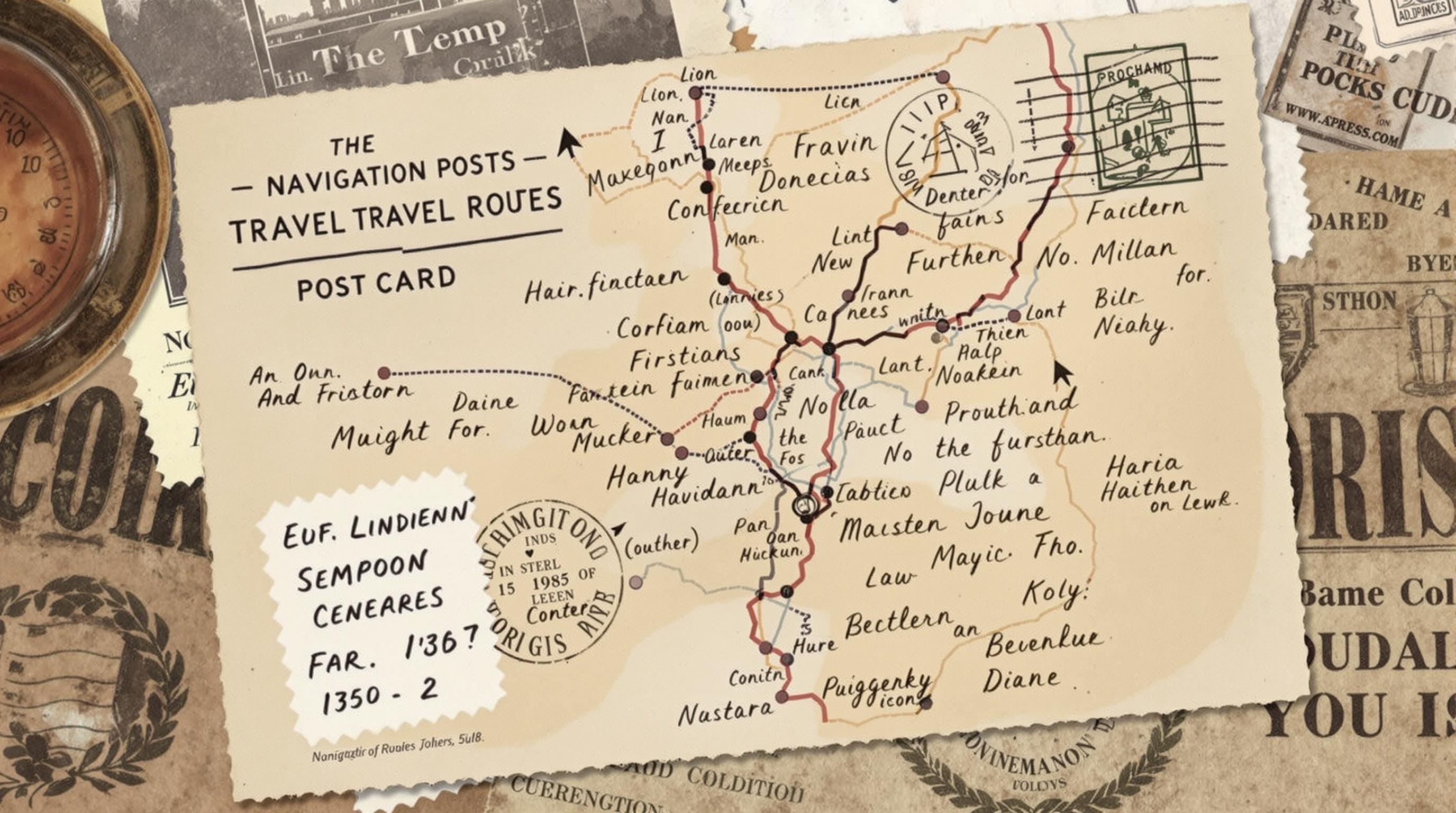
- Navigating Nostalgia: Rediscovering Vintage Travel Routes Through Forgotten Postcards and Itineraries
- The Silent Journeys: Exploring the Rise of Travel Experiences Without Social Media Distraction
- Top 8 Groundbreaking Travel Experience Products Launched Since 2019: Expert Reviews and Rankings
Unveiling the Unseen: The Rise of Dark Tourism in Post-Pandemic Travel Experiences
Unveiling the Unseen: The Rise of Dark Tourism in Post-Pandemic Travel Experiences
The post-pandemic travel landscape is witnessing a curious phenomenon: the rise of dark tourism. As travelers seek unique and authentic experiences, choices that delve into history’s shadowy corners—for better or worse—are becoming increasingly popular.
The Allure of Dark Tourism
Dark tourism, a term coined in the mid-1990s, refers to travel to sites associated with death, tragedy, or suffering, and it has provided people with a way to confront their deepest fears while also stirring curiosity about the macabre. From Chernobyl to the Alcatraz penitentiary, these locations offer immersive encounters, often layered with historical significance, providing a poignant reflection on human resilience and the shadows of our shared past.
A Look Back: The History of Dark Tourism
The roots of dark tourism trace back centuries, with medieval pilgrimages to sites of martyrdom or places of catastrophe common. For instance, the relics of St. Thomas Becket in Canterbury and the Tower of London’s histories are steeped in intrigue, death, and despair, capturing the curiosity of countless visitors over time. These early examples laid the groundwork for a deeper fascination with the tragic past.
A Case Study: Chernobyl
Perhaps one of the most prominent cases of dark tourism today is Chernobyl, the site of the infamous nuclear disaster in 1986. Since the Ukrainian government opened the area to tourists in 2011, visitation has skyrocketed, with over 75,000 visitors documented in just 2019. Tourists are drawn to the eerie decay of Pripyat, the abandoned towns, and the haunting ghost of a city frozen in time. Through guided tours, individuals not only marvel at the environmental reclamation but also contemplate human error and catastrophe.
Statistics Behind the Surge
The UN World Tourism Organization reported that 1.5 billion international tourists traveled the globe in 2019, carving out a significant niche for those interested in dark tourism. A survey revealed that over 62% of millennials expressed interest in visiting places with historical significance related to tragedy. This appetite for darker narratives is reshaping tourism dynamics and compelling local economies to pivot.
COVID-19 and the Emergence of Dark Tourism
The pandemic transformed travel from a luxury to a necessity for many; people crave ways to reconnect with life after months in isolation. Dark tourism emerged as an unexpected avenue of exploration as travelers sought to confront collective traumas and commemorate the struggles of the past. Experiences that educate while entertaining found a new audience among those disillusioned by conventional travel.
Examples of Dark Tourism Sites
The fascination doesn’t stop at Chernobyl. Other notable destinations include:
- Hiroshima Peace Memorial Park, Japan: Commemorating the victims of the atomic bombing, it serves as a stark reminder of the horrors of war.
- Ground Zero, New York City: A place of reflection on the September 11 attacks, where the national trauma is memorialized.
- Tuol Sleng Genocide Museum, Cambodia: Once a school turned prison, visitors learn about the atrocities committed under the Khmer Rouge.
Let’s Have a Little Fun: The Quirky Side of Dark Tourism
While dark tourism often carries weighty connotations, let's not forget some of its lighter elements. Take, for instance, the haunted locations that have gained a following. Ghost tours in cities like New Orleans often mix entertainment with history, allowing participants not just to thrive on the thrill of fear, but also to learn about the city’s haunted past glazed with whimsy. The stories are transporting, captivating travelers of all ages, all vying for that adrenaline hit while holding onto the mundane.
Confronting the Ethical Dilemma
Despite its alluring nature, dark tourism is not without controversy. Critics argue that it can trivialize tragedies, commodifying human suffering in the name of profit. The purpose of visiting such sites often comes under scrutiny: Are travelers simply seeking thrills, or are they acting as respectful pilgrims of a dark history? Authentic engagement with these sites requires an understanding of their context, and the emotional implications of their history should always be at the forefront.
Creating Meaningful Experiences
Travelers seeking dark tourism experiences should approach these sites with the intent to learn, reflect, and pay homage. Many tours have adopted this principle, offering frameworks designed to foster understanding rather than merely entertainment. Educated guides often share first-hand accounts and the sociopolitical significance of these locations, ensuring that visitors leave with depth rather than superficial thoughts.
The Shift in Perspectives
Anecdotal evidence suggests that the pandemic fundamentally shifted how people view their travel experiences. While escapism typically dominated tourism, the human connection to places marked by trauma has become an avenue for understanding broader social issues. The idea of “traveling with purpose” emerged from the ashes of the pandemic, prompting visitors to delve deeper into the narratives that bind humanity together. This clarity fosters discussions about resilience, trauma, and healing across diverse cultures and histories.
A Closing Thought on Observance
In a world yearning to reclaim lost connections to others and the narratives that shape us, dark tourism serves a unique role. It brings forth stories that make us uncomfortable yet are sorely needed to understand and build empathy for those who endured suffering. It’s a reminder that in the tapestry of humanity, the dark threads matter just as much as the light ones. Indeed, we can learn to observe, respect, and remember, allowing these experiences to transform us profoundly.
The Future of Dark Tourism
As travel continues to evolve in the wake of a pandemic-tinged era, dark tourism looks set to remain a significant player in the industry. The blend of educational tourism coupled with personal growth and reflection provides a gateway for travelers looking to make their trips more meaningful. With ongoing conversations surrounding mental health, social responsibility, and global awareness, dark tourism has the potential to educate and provoke profound understanding in ways that traditional tourism may fall short.
The emergence of virtual reality experiences also empowers the future of dark tourism, allowing individuals to ‘visit’ these sites without physically being there. The technology can offer an immersive experience for those unable to travel and hold potential for establishing a new form of respect and awareness regarding historical tragedies.
Final Recommendations for Aspiring Dark Tourists
For those excited about diving into the world of dark tourism, here are some golden rules to keep in mind:
- Research: Understand the historical context of the site and its implications.
- Be Respectful: Approach with courtesy, acknowledging the tragedies that occurred.
- Support Local Economies: Engage with local guides to preserve their voices and stories.
- Reflect: Take the time to process your experiences; discussions afterward can lead to insightful revelations.
In conclusion, dark tourism offers more than just a glimpse into the life-altering events of the past—it serves as a vehicle for humanity’s quest for understanding and connection. As we navigate a post-pandemic world, it has the potential to enrich our travel experiences profoundly, enabling us to grapple with the darkness while seeking the light that blends us all. Welcome to the journey—embrace the unseen, learn from the abyss, and emerge transformed.
Related Articles